By Kevin Broom, Vice President, Marketing & Communications
The GPA Midstream research program, founded by association leaders in the 1960s, continues to partner with academic, scientific, and industry organizations to address the midstream industry’s most pressing technical operational needs.
The program is a cooperative effort that leverages the investment of GPA Midstream and GPSA member companies, and contributions from allied organizations like the Propane Education & Research Council to focus the expertise and resources of groups like Colorado School of Mines on common industry challenges.
Midstream professionals involved in GPA Midstream technical committees and the Research Committee identify these challenges. Currently, there are 20 research projects in progress.
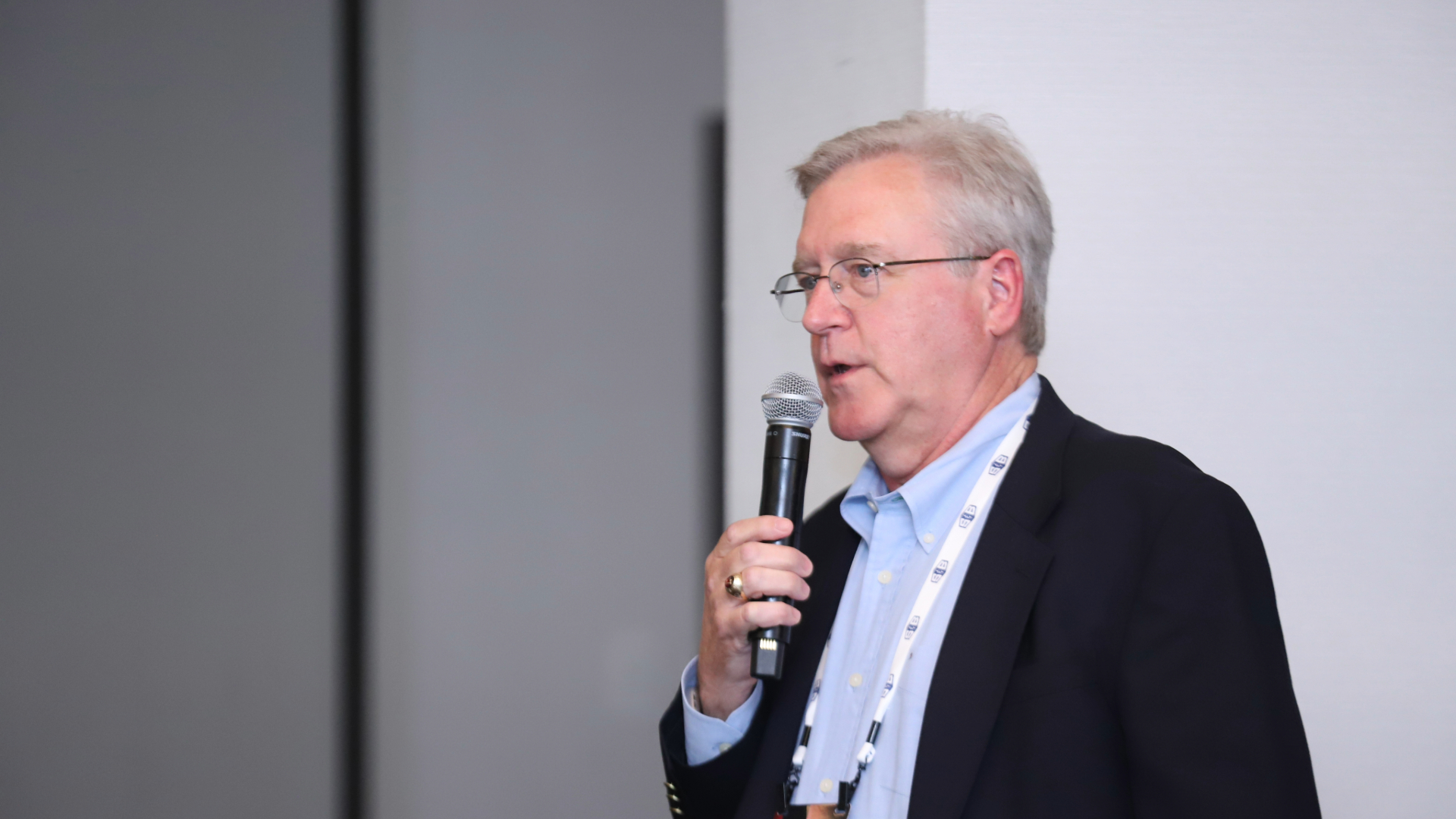
“Midstream companies typically don’t have a research department or a research budget,” said Chris Root, a 40-plus year midstream professional, who serves on several GPA Midstream technical committees, and chairs the Research Committee. “As an industry, we depend on GPA Midstream to leverage our funding. And by combining funding from different companies, we can do a lot more research that helps us in operations.”
One example of impactful relationships enabled through GPA Midstream’s Research Program is the partnership with Colorado School of Mines. Through the years, CSM researchers have produced vital information regarding measurements — “The cash register of our industry,” Root said — technical analytics, and hydrates.
“Over the years, five Colorado School of Mines contributors have won the Katz Award, which is more than any other school,” Root said. “The first, Fred Poettmann was a graduate of the University of Michigan and a coauthor with Donald L. Katz on the Handbook of Natural Gas Engineering in 1959. The second, Dendy Sloan, was heavily involved in founding the hydrate center at the school.”
The most recent Katz honoree, Carolyn Koh, heads the hydrate research center at CSM and is involved in current GPA Midstream research.
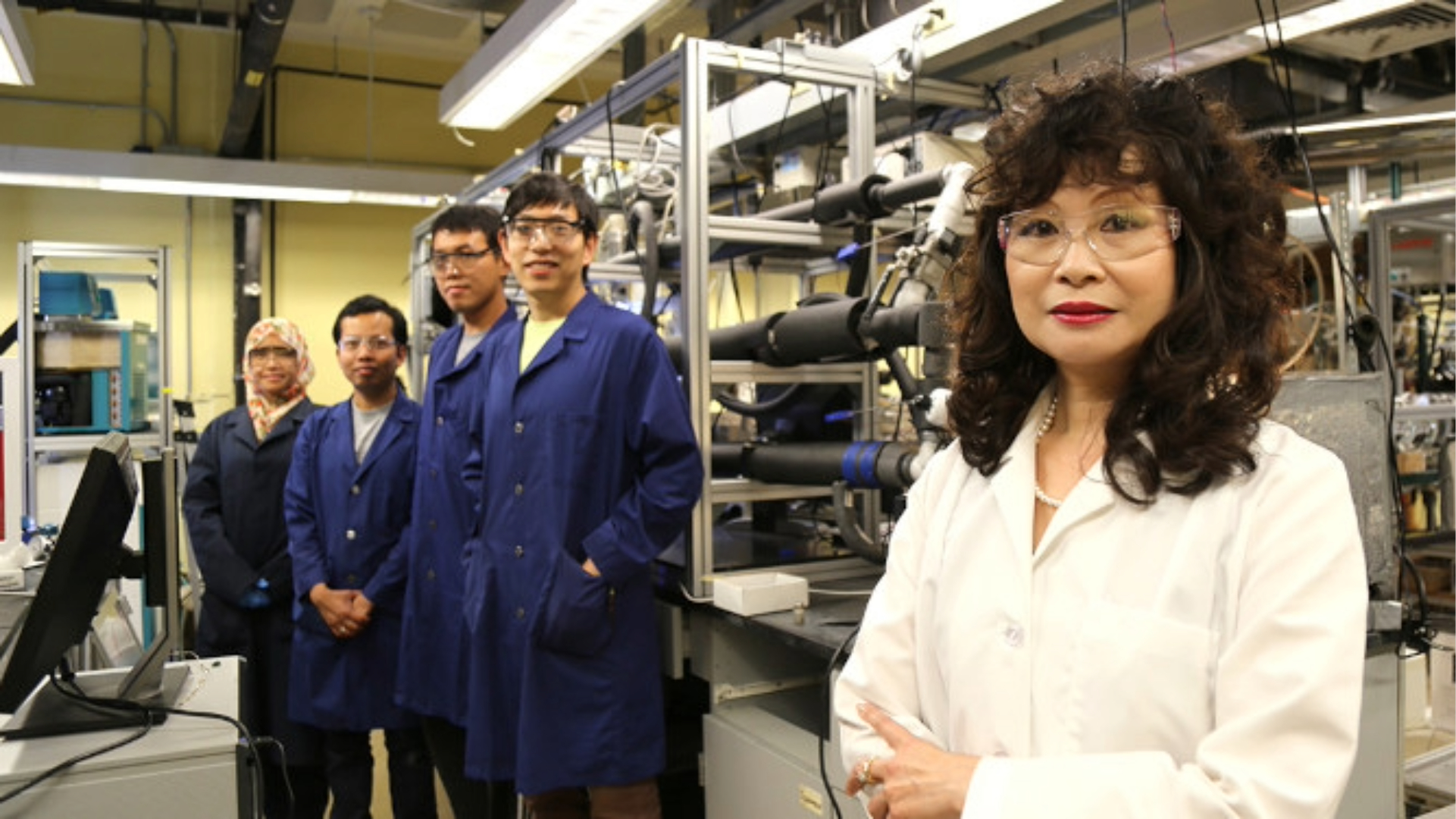
Katz Award recipient Carolyn Koh, Ph.D., Colorado School of Mines, with students.
For non-technical readers, hydrates are solids that form when there is water, methane (or propane), and the right combination of temperature and pressure. Hydrates can form at temperatures as high as 70 degrees Fahrenheit depending on pressure. If they form in pipelines, they can cause blockages, which reduce operational efficiency and increase safety risks. CSM and others are researching how to prevent hydrates from forming in the pipeline environment and how to safely eliminate them when they do.
Through GPA Midstream’s Research Program, CSM is working on two projects related to propane and preventing formation of hydrates.
Research produced through the GPA Midstream Research Program reaches the industry through established pathways, Root said. Institutions like CSM produce information about operational, technical, and design issues identified by operators.
GPSA companies will incorporate that information into design and operations software or develop innovative technologies that draws upon findings from this shared industry research. In this way, operators can be confident a solution will work before implementing on their systems.
Root said current research projects are focusing on aspects of carbon capture and storage.
“Midstream plants have small exhaust streams that emit CO2 and other compounds,” Root said. “We need to understand the interactions between those substances — what are the problems? What are the operating and design issues?”
The research program may also indirectly address another industry challenge, Root said: recruiting young talent into the midstream.
“At CSM, students work on midstream research projects,” Root said. “It keeps our industry in front of students in a way they can see a viable career. In some cases, regional GPA Midstream chapters directly contribute through scholarship programs.
Root recalled one instance where a CSM doctoral student working on a GPA Midstream research project received a scholarship from the GPA Midstream Rockies chapter and initially worked for a GPSA member company after graduation with a PhD.
“The Research Program is a valuable service to the industry,” Root said. “It delivers benefits in safety, reliability, efficiency, and cost savings, and those benefits are made available to all member companies.”