About the GPSA Engineering Data Book
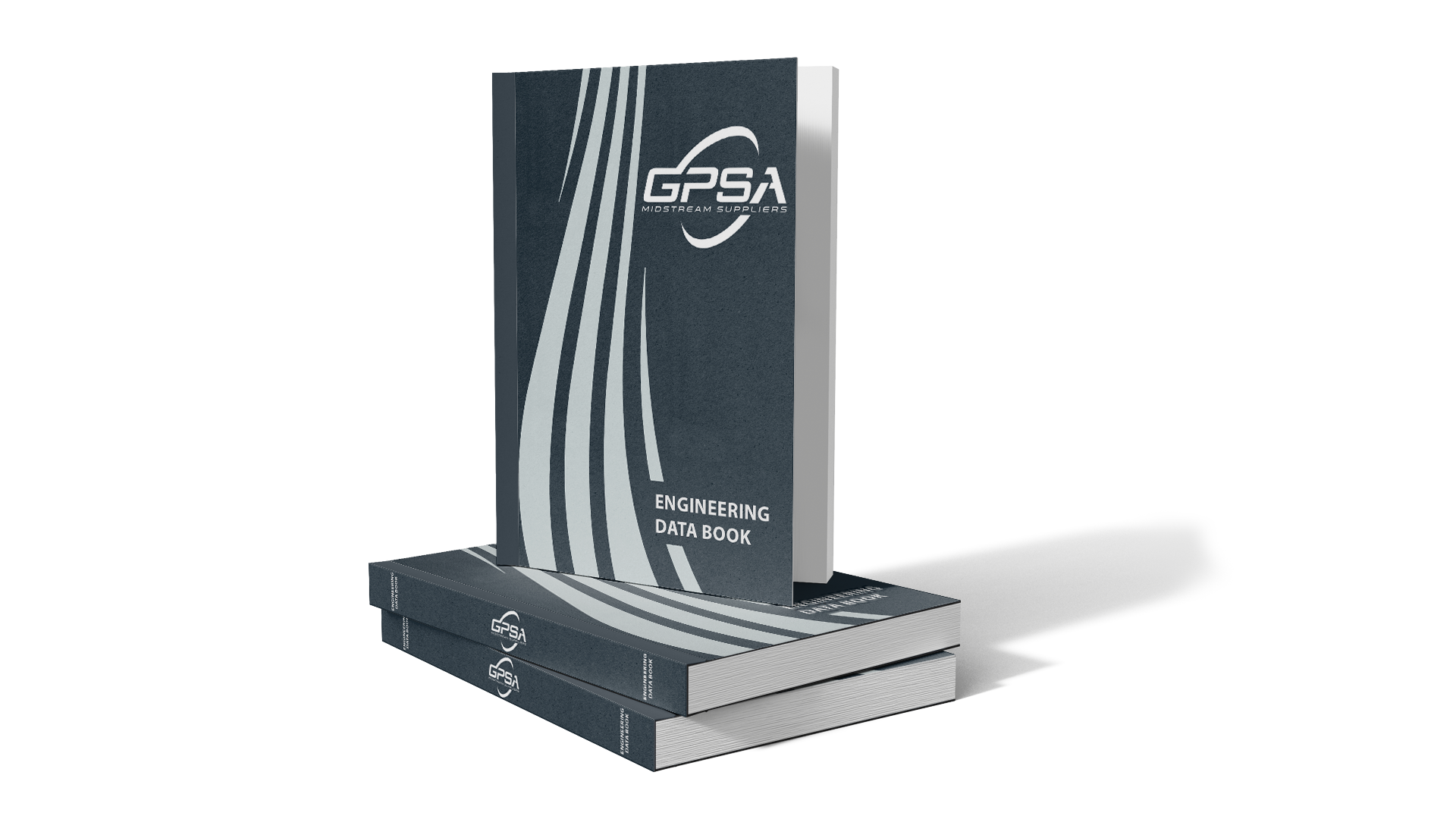
The GPSA Engineering Data Book was first published in 1935 as a small booklet containing lots of advertising and a little technical information. Nearly a century later, the book has grown into nearly 1,000 pages of technical information and no advertising, becoming the worldwide authoritative resource for technical and design information. After publishing 14 print editions, the Data Book now lives in the GPA Midstream documents cloud and is available on computers and mobile devices to all employees of member companies.
GPSA’s Involvement
GPSA is an organization of companies with specialized knowledge of the supply and service needs of the midstream and related industries. It publishes the Data Book as a service to the midstream industry.
The book is compiled by an editorial committee composed of technical specialists from GPSA (suppliers) and GPA Midstream (operators) member companies. This committee, known as the GPSA Editorial Review Board, reviews and revises the manual. Periodic revisions are issued to keep the manual up to date with technology and industry practices.
The GPSA Engineering Data Book, recognized as a valuable resource around the world, is an excellent example of the cooperative producer-supplier relationship of the GPSA and GPA Midstream organizations. Access the most recent Data Book edition here.
Engineering Data Book Non-Member Subscription
This foundational guide for technical professionals throughout the oil and gas value chain is free to all member company employees.
It’s now available to non-member individuals via a one-year, $100 online subscription. Interested in free company-wide access to the Data Book? Become a member!
How to Subscribe
- Visit GPAMidstream.org and click on Member Login.
- Log in with an existing account, or create a free account.
- Click Subscriptions on the left-hand tab.
- Select GPSA Engineering Data Book FPS Annual Subscription and click Add to Cart.
- Click Review & Checkout.
- Price: $100/year
Need more information or want to share with a colleague? Click here or on the button to the right to access a downloadable one-pager about non-member individual subscriptions to the GPSA Engineering Data Book.
Training & Certification Course
GPA Midstream and GPSA offer a week-long training and certification course that helps midstream professionals with the fundamentals they need to turn this valued industry resource to practical use. Classes are usually offered at facilities in Mont Belvieu, Texas, and Arlington, Texas. The course may be offered in other areas if there’s sufficient interest from the industry.