

The U.S. is fortunate to possess an abundance of natural resources, the expertise, and private capital to deliver reliable and affordable energy to Americans. As policymakers look to expand domestic manufacturing, accelerate artificial intelligence development, and strengthen America’s position in the global economy, access to energy has become increasingly important. Yet despite our resources, producing and delivering energy where it is needed remains two very different challenges.
Across the country, new manufacturing facilities, data centers, and industrial developments are creating additional demand for energy each day. Meeting that demand requires more than increasing production. It requires the infrastructure necessary to move natural gas and other energy resources from producing regions to the businesses and communities that depend on them. Unfortunately, America’s ambitions for economic growth are not always matched by its ability to develop the infrastructure necessary to support them.
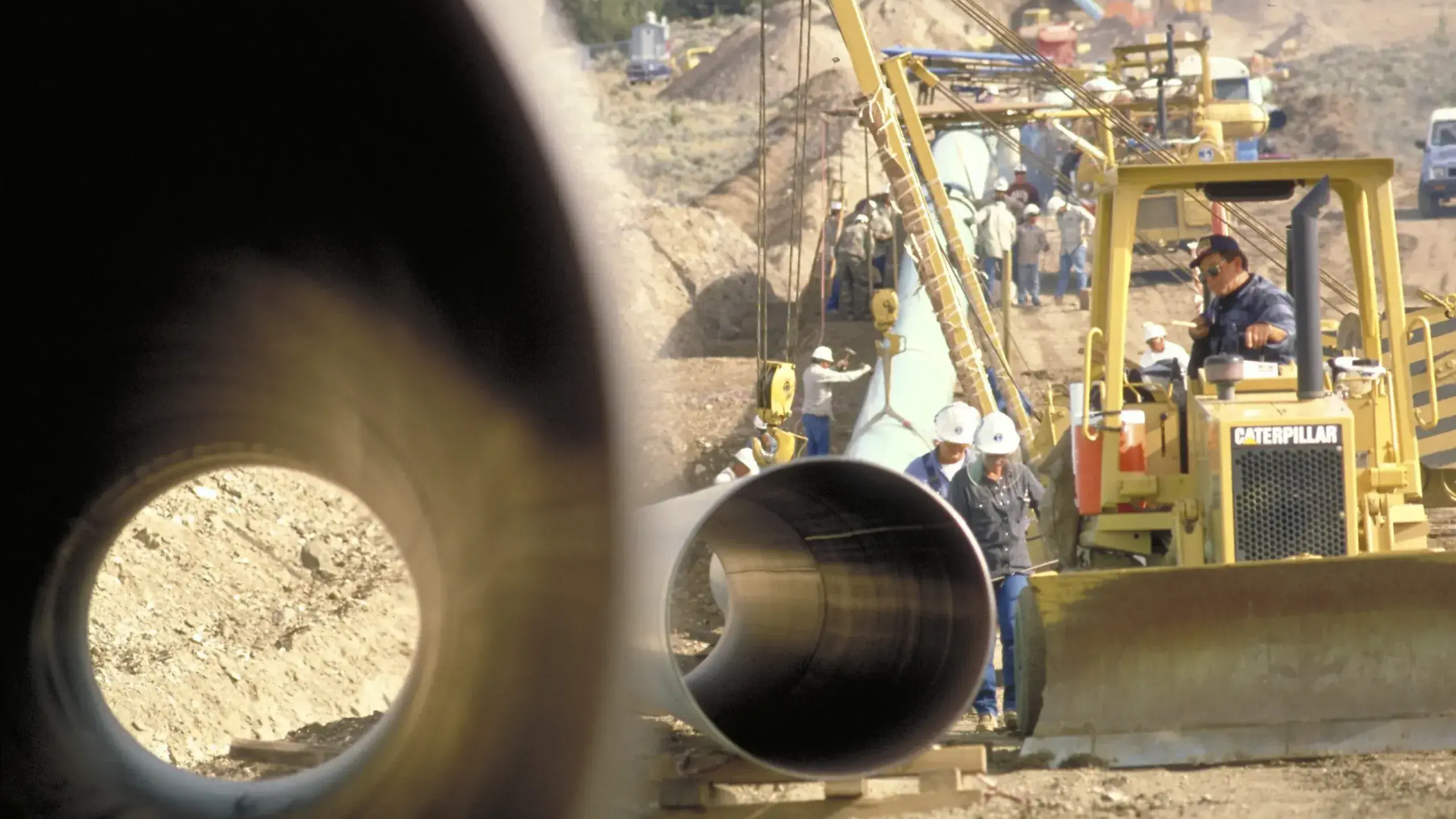
Building a pipeline or processing facility is not as simple as identifying a need and securing an approval. These projects require substantial capital investment, engineering, equipment, labor, and coordination among numerous stakeholders. Regulatory uncertainty, lengthy reviews, litigation, and construction challenges can introduce delays and additional costs that ultimately affect whether a project moves forward. Permitting reform remains an important part of this conversation, but it cannot be the only consideration. Policymakers must also recognize that infrastructure investment depends on long-term certainty and the ability to move projects from planning to operation.
Approving a project means little if the broader development environment makes its construction increasingly difficult or economically unfeasible.
For the midstream industry, these challenges are particularly consequential. Gathering systems, processing facilities, and pipelines form the essential connections between America’s energy resources and the markets that rely on them. Without continued investment in these systems, the benefits of domestic energy production cannot be fully realized.
America’s economic ambitions are substantial. Our energy resources provide a competitive advantage that few nations can match; however, those advantages cannot be taken for granted. If the U.S. intended to lead it must be equally committed to building the infrastructure that makes that leadership possible. America does not lack the resources or expertise to meet its energy needs. The challenge is ensuring we can build what is necessary to put all of them to work.